Magnesium Deficiency: A Small Overlooked Issue with a Big Impact on Health- EMC Hospital, Amritsar
Magnesium is an essential mineral for the human body, playing a vital role in keeping muscles, nerves, the heart, and bones healthy. However, in today’s fast-paced and imbalanced lifestyle, magnesium deficiency is emerging as a common yet serious health concern. With the aim of raising awareness on this often-hidden problem, EMC Hospital, Amritsar, has urged the public to remain alert to the signs and risks associated with magnesium deficiency.


According to senior nephrologists at EMC Hospital, Dr. Chetan Mahajan and Dr. Gurjot Singh, a deficiency of magnesium in the body can lead to a wide range of symptoms. These include persistent fatigue, muscle cramps or pain, tingling in the hands and feet, sleep disturbances, irritability, and irregular heartbeat. While these symptoms may initially appear minor, ignoring them over a long period can result in serious health complications.
Experts warn that if magnesium deficiency is not corrected in time, it can contribute to high blood pressure, heart disease, diabetes, weakened bones, and kidney-related disorders. Dr. Gurjot Singh highlighted that magnesium imbalance is more commonly observed in patients suffering from kidney disease, making regular monitoring and medical consultation especially important for such individuals.
There are several causes behind magnesium deficiency. An imbalanced diet, excessive consumption of fast and processed foods, lack of green leafy vegetables, excessive alcohol intake, prolonged episodes of diarrhea or vomiting, long-term use of certain medications, and conditions such as diabetes are among the major contributing factors. Changing lifestyles have further aggravated this growing health issue.
Treatment of magnesium deficiency depends on its severity. Dr. Chetan Mahajan explained that in mild cases, improving dietary habits can help restore normal magnesium levels. Green leafy vegetables, whole grains, pulses, bananas, nuts, and seeds are rich sources of magnesium. In more severe cases, magnesium supplements or medications may be prescribed under medical supervision to re-establish balance in the body.
To prevent magnesium deficiency, it is essential to adopt a balanced and nutritious diet along with a healthy lifestyle. Regular exercise, adequate sleep, stress management, limited consumption of alcohol and junk food, and periodic health check-ups are effective preventive measures. Elderly individuals, pregnant women, and patients with diabetes or kidney disease need to exercise special caution.
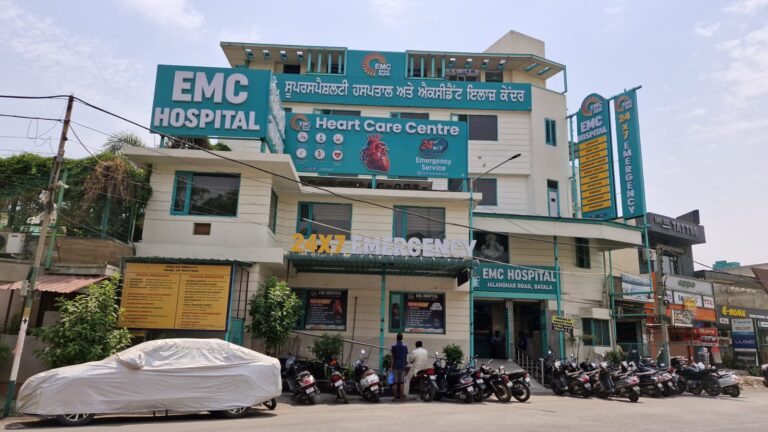
EMC Hospital, Amritsar remains committed to providing quality healthcare services through its experienced medical professionals and advanced facilities. Dr. Chetan Mahajan and Dr. Gurjot Singh have appealed to the public not to ignore minor changes in their bodies, emphasizing that “timely diagnosis and appropriate treatment form the strongest foundation for a healthy life.”
About the Author