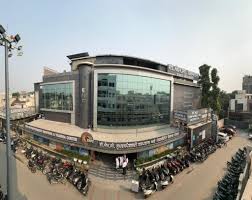
Silently Growing Kidney Stones: The Risk Remains Even Without Pain – Pulse Hospital (A Unit of EMC Hospitals)
It is commonly believed that kidney stones always cause severe and unbearable pain. However, this assumption is not entirely true. According to Dr. Gurjot Singh, Senior Urologist at Pulse Hospital (A Unit of EMC Hospitals), Amritsar, kidney stones can often develop without intense pain. In such cases, the body gives subtle warning signs that must not be ignored, as negligence can eventually lead to serious kidney damage.

Dr. Gurjot Singh explains that symptoms such as mild lower back pain, a feeling of heaviness in the abdomen, frequent urination, burning sensation while passing urine, nausea, fatigue, or cloudy urine may indicate the early stages of kidney stone formation.
Many people dismiss these signs as common gas problems, tiredness, or urinary infections. This ignorance allows the stone to grow larger, increasing the chances of complications and, in some cases, the need for surgical intervention.
He further noted that the primary causes of kidney stones include inadequate water intake, a diet high in salt and protein, excessive consumption of junk food, obesity, and an irregular lifestyle. In today’s fast-paced routine, people often drink less water and consume more packaged foods, leading to the accumulation of minerals in the kidneys that eventually form stones. Dehydration, especially during hot weather, directly affects kidney health and increases the risk of stone formation.
According to Dr. Gurjot Singh, timely ultrasound examinations and urine tests can help detect kidney stones at an early stage. Small stones can often be treated effectively with medications, dietary modifications, and adequate hydration. Pulse Hospital, Amritsar, offers advanced laser treatment, minimally invasive procedures, and expert urology consultations for kidney stone management, enabling patients to recover quickly and return to their normal lives.
He advised the public to drink at least 8–10 glasses of water daily, reduce salt intake, include fresh fruits and green vegetables in their diet, and consult a specialist immediately if any unusual symptoms appear—even in the absence of pain. Individuals with a family history of kidney stones should be particularly vigilant and undergo regular health check-ups.
The message is clear: Do not wait for pain. Recognize the early signs. Timely diagnosis is the most effective way to protect kidney health.
About the Author